Macao Beach, Punta Cana: Where to Swim, Surf and Eat
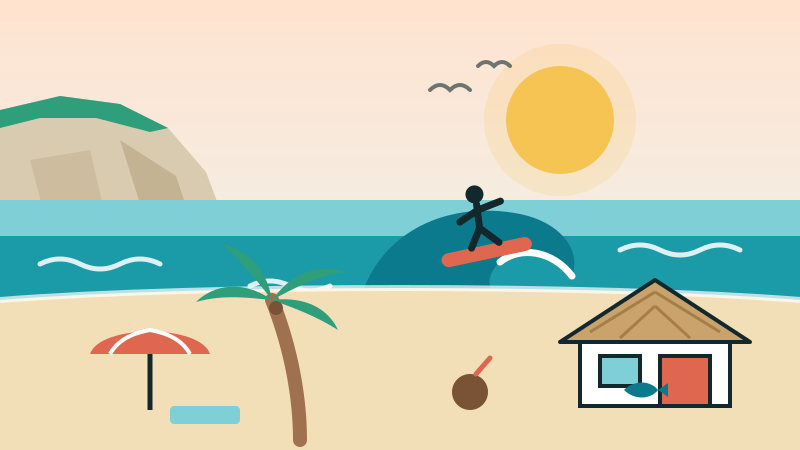
Golden sand, limestone cliffs, surfers in the break and grilled fish on the beach: Macao is the most Dominican beach in Punta Cana, and one of the few without a wall of resorts. Here’s how to enjoy it without the rookie mistakes.
Last updated:
Quick facts
- Where
- North of Arena Gorda, just up the coast from Hard Rock and Cana Bay
- Cost
- Free public beach; pay for food, loungers, activities
- Best for
- Surf lessons, fresh fish lunches, a local atmosphere
- Swimming
- Calmest near the cliffs; strong surf and undertow elsewhere
- Best time
- Weekday mornings, December to April
- From the airport
- About 30–35 minutes by car
Why Macao is different
Most of Punta Cana’s coastline is lined with all-inclusive resorts. Macao isn’t. One large resort sits on the beach, but most of the bay is open: a long curve of golden sand, palm trees, a small cluster of beach shacks and surf schools, and limestone cliffs framing one end. Fishermen still bring their boats in here, and on weekends Dominican families come out from the surrounding towns.
It’s also the Atlantic side of the island, which gives Macao its character: real waves. That’s great for surfing and dramatic for photos, and it means you should pick your swimming spot with a bit more care than at the calm lagoons further south.
Where to swim safely
This is the one section to read carefully if you’re coming with kids or aren’t a strong swimmer.
- The end by the cliffs is usually the calmest and shallowest part of the beach. The cliffs break the swell and it’s where most people swim.
- The middle and far stretches get heavier surf and strong undertow. That’s where the surf schools work, for a reason.
- Flags: if a red flag is up, stay out of the water. On windy afternoons conditions can change within an hour.
- Lifeguards: don’t assume there is one. Swim where other people are swimming, and never alone.
If a current pulls you out: don’t swim straight back against it. Swim parallel to the beach until you’re out of the pull, then head in. If you can’t, float, stay calm and wave for help. Rip currents are narrow, and most people who stay calm get out of them.
Surfing at Macao
Macao is Punta Cana’s best-known surf spot, and one of the few places in the region where beginners can learn on real waves. Two established schools run lessons right on the beach:
| School | What to know |
|---|---|
| Macao Surf Camp | Founded in 2009 by local surfers and described as the first surf school in Punta Cana. Lessons on Macao Beach, with pickup options from the Punta Cana area. |
| Punta Cana Surf Adventure | Surf school and board rentals on Macao Beach, running for around 15 years. |
A two-hour group lesson with board typically costs around US$40–60; private lessons cost more. Prices change, so book directly with the school and ask what’s included (board, rash guard, transport, photos).
Beginner tips: book a morning session, when the wind is lighter; wear reef-safe sunscreen and a rash guard, since you’ll spend more time in the water than you expect; and don’t skip the beach briefing. It’s where you learn where the currents run.
Buggies, ATVs and when to avoid the crowds
Macao is the classic final stop on Punta Cana’s buggy and ATV tours: a muddy ride through farmland and palm groves, then a splash in the sea. It’s good fun if you’re on the tour and less fun if you came for a quiet swim, because groups tend to arrive around late morning and early afternoon.
The fix is timing. Arrive by around 9 am and you’ll have calm water and space to yourself. Late afternoon is quieter again, with softer light for photos. On Sunday afternoons the beach is at its liveliest with local families, which is great for atmosphere but not for peace.
What to eat: the beach shacks
Lunch at Macao means the row of simple beach restaurants behind the sand. Expect whole grilled or fried fish, shrimp, tostones (fried green plantain), rice and salad, cold Presidente beer and coconuts cut open in front of you.
- Ask the price first, especially for fish sold by weight. Agree on the total before it goes on the grill.
- Bring cash in Dominican pesos or small US dollar bills. Cards aren’t guaranteed.
- Lounger and umbrella rentals are usually offered by the restaurants or vendors; agree on a price, or bring your own towel and find a palm tree.
- Vendors will offer everything from jewelry to massages. A friendly “no, gracias” is enough.
Getting there
| From | Typical time by car | Notes |
|---|---|---|
| Hard Rock / Cana Bay | A short drive north | The closest base to Macao |
| Bávaro hotel strip | About 20 minutes | Via the coastal road north |
| Punta Cana Airport (PUJ) | About 30–35 minutes | Depends on traffic |
- Car: the easiest option. There’s parking near the beach access points, but it fills up on weekends. Arrive early. Our car rental guide covers insurance and driving tips.
- Taxi: agree on the fare before you get in, and arrange the pickup time for the return, since cars don’t wait around the beach.
- Tours: surf schools and buggy tours often include transport from Bávaro and Punta Cana hotels.
What to bring
- Reef-safe sunscreen, a hat and a rash guard; shade is limited to palms and restaurant roofs
- Cash in pesos or small USD bills
- Water, especially if you plan to surf
- A towel (or rent a lounger)
- A dry bag for your phone; spray from the waves reaches further than you think
- Your own snacks for the kids; the shacks cook to order, which takes time
Macao Beach, Cana Bay Beach Club or a Hard Rock day?
If you’re staying in the Hard Rock / Cana Bay area, you have three very different beach days within a few minutes of each other:
| Macao Beach | Cana Bay Beach Club | Hard Rock day pass | |
|---|---|---|---|
| Cost | Free | Up to US$35 per adult, credited to food and drinks | Set by the hotel, subject to availability |
| Feel | Local, lively, natural | Quiet, polished, private | Big resort: pools, bars, water park |
| Swimming | Sea only; pick your spot | Infinity pool plus sea | Many pools plus sea |
| Food | Beach shacks, cash | Club restaurant | Included with the pass |
| Best for | Surf, fish lunch, photos | A slow, easy day | Families, groups, a party day |
Details for the other two are in the Cana Bay Beach Club guide and theHard Rock day pass guide.
Stay close to Macao
Macao is at its best early in the morning, which is much easier when you’re staying minutes away rather than in Bávaro. Our apartment in Cana Bay is in the Hard Rock resort area, a short drive from Macao, and has a private terrace that opens straight onto the pool for when you’re back from the waves. See the apartment, or read where to stay in Punta Cana to compare areas.
Frequently asked questions
Is Macao Beach safe to swim?
Parts of it. The end by the cliffs is usually calmer and shallower; the middle and far stretches get heavy surf and strong undertow, which is why surfers love them. Swim where others are swimming, respect red flags, and don’t count on a lifeguard.
Is Macao Beach free?
Yes. Beaches in the Dominican Republic are public, and Macao is one of the most accessible in Punta Cana. You only pay for parking (if charged), loungers, food and activities.
How far is Macao Beach from the airport?
About 30 to 35 minutes by car from Punta Cana International Airport (PUJ), and around 20 minutes from the main Bávaro hotel strip, depending on traffic.
Can you surf at Macao Beach?
Yes. Macao is Punta Cana’s best-known surf spot. Macao Surf Camp, founded in 2009, and Punta Cana Surf Adventure run lessons with boards included; a two-hour group lesson typically costs around US$40–60.
When is the best time to visit Macao Beach?
Early morning on a weekday. The dry season (December to April) has the most reliable weather; afternoons are windier, late mornings bring the buggy tours, and Sunday afternoons are busy with local families.
Sources
- Macao Surf Camp and Punta Cana Surf Adventure: surf schools on Macao Beach
- Macao Beach guide (jetskipuntacana.com): swimming conditions and parking
- Punta Cana Travel Blog: beach overview and crowds
- Meliá travel blog: Playa Macao
Conditions at sea change daily. Always check flags and local advice before swimming.
More guides
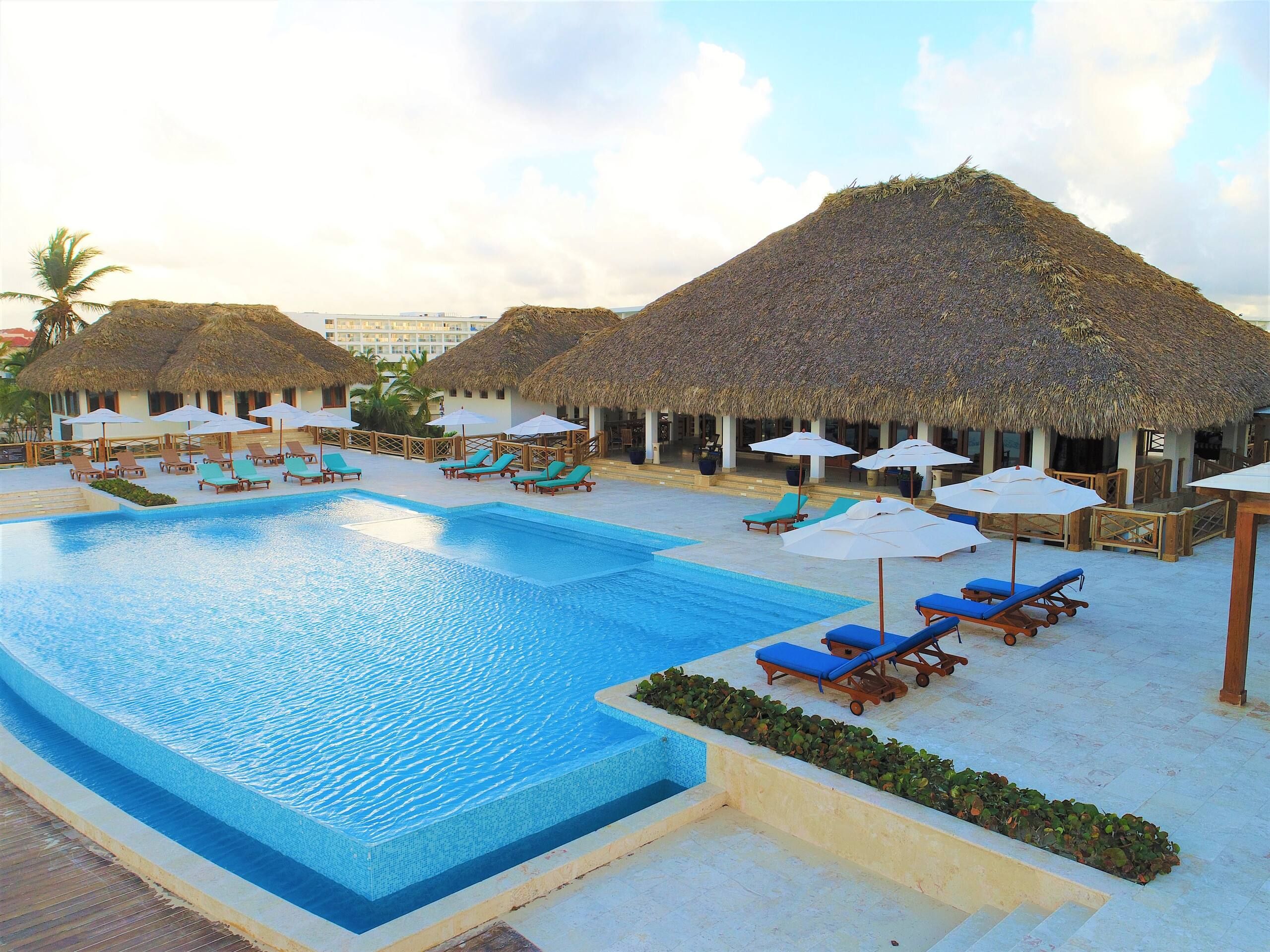
Cana Bay Beach Club guide
Entry fee, who can get in, the house rules and how to spend a good day there.
Read the guide →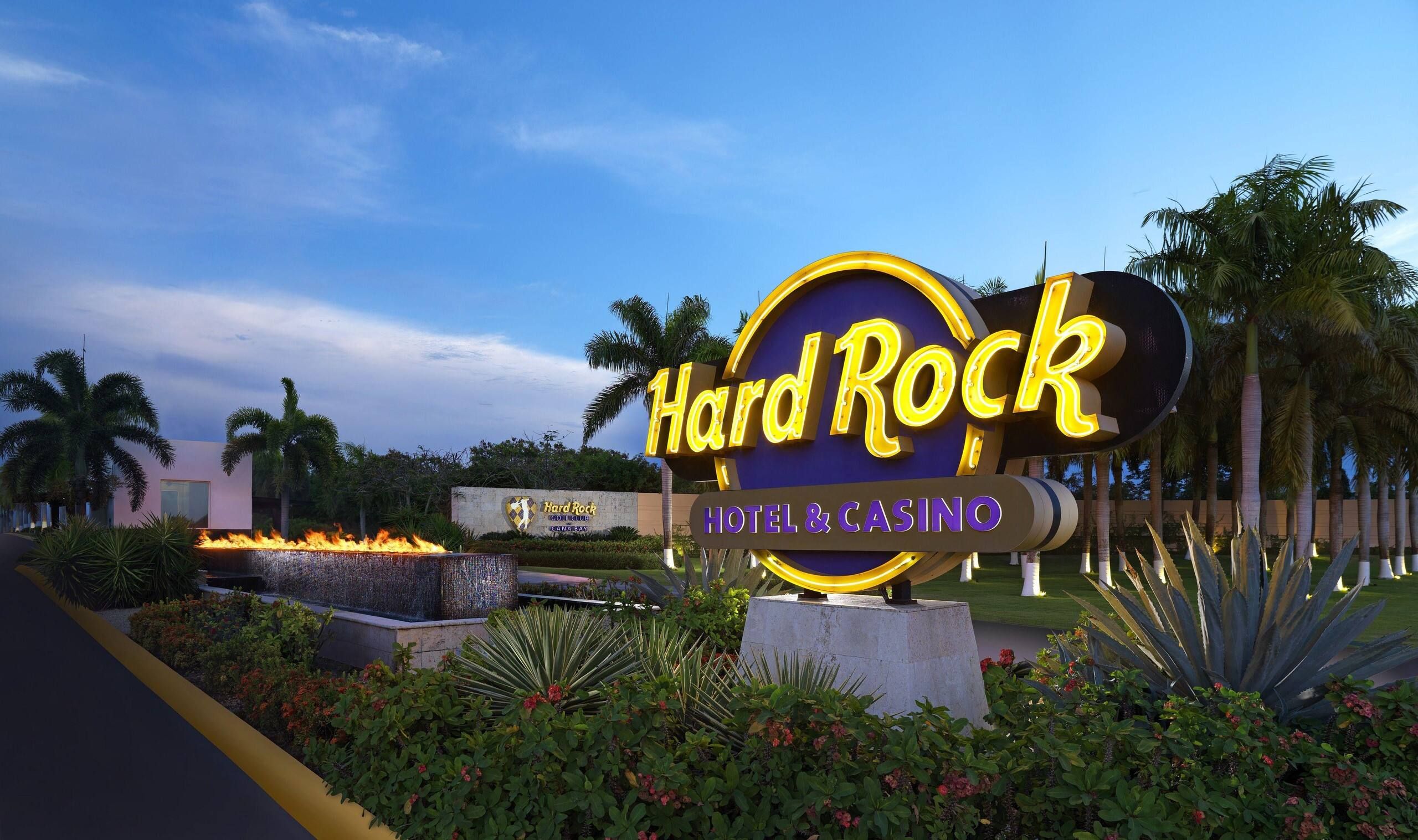
Is Hard Rock Punta Cana worth it?
An honest breakdown: who the resort is great for, who overpays, and the third option next door.
Read the guide →
Car & golf cart rental
Do you need a car? Rental insurance, driving tips, golf carts in Cana Bay, taxis and transfers.
Read the guide →